Ruby Dream Font Review
It was a Tuesday morning, and the team was finalizing a product launch graphic for a seasonal sale. The client wanted something eye-catching but still approachable. I opened up the design file and started experimenting with fonts. That’s when I found Ruby Dream.
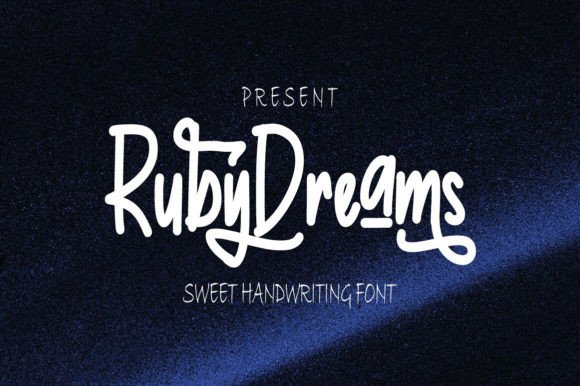
Ruby Dream is a sweet and friendly handwritten font that brings a natural, unique style to any project. Its personality feels warm and inviting, making it ideal for campaigns that aim to connect with an audience on a personal level. Whether you're designing for social media, email marketing, or digital ads, Ruby Dream adds a touch of authenticity that can't be replicated by more rigid typefaces.
Campaign Use Cases
During the same campaign, I used Ruby Dream for a series of Instagram posts promoting the seasonal sale. The font worked well for headlines and callouts, giving the visuals a handcrafted feel that stood out in a sea of generic designs. It also paired beautifully with a clean sans serif font for body text, creating a balanced visual hierarchy without sacrificing creativity.
For YouTube thumbnails, Ruby Dream was perfect for the main title. Its flowing strokes and soft edges made it easy to read even at smaller sizes, which is crucial for mobile previews. The font didn’t overpower the image, but it added enough personality to draw attention and communicate the campaign’s tone effectively.
Visual Style and Personality
Ruby Dream has a casual, almost conversational vibe. It’s not overly ornate, but it has just enough variation in its strokes to feel dynamic. This makes it versatile for different types of content, from playful social media graphics to more polished promotional materials. The font doesn’t scream for attention, but it commands it subtly.
Its style is best suited for short headlines, logo-style text, and decorative titles. It works well as a display font, especially in campaign labels or promotional banners where a human touch is needed. However, it's not the best choice for long blocks of text or dense information due to its organic structure, which can sometimes reduce legibility at smaller sizes.
Readability and Digital Visibility
When testing Ruby Dream on mobile screens, I noticed that it maintains clarity even at smaller sizes, provided the text isn’t too cramped. For thumbnails or image overlays, using it in bold weights helps ensure visibility against busy backgrounds. On dark backgrounds, the font’s lighter strokes can sometimes get lost, so adjusting the contrast or using a slightly bolder version improves readability.
In fast-scrolling feeds like Instagram or Pinterest, Ruby Dream stands out without being distracting. It’s a great option for content series or branded template packs where consistency is key. However, for web design or landing pages with a lot of copy, it’s better to pair it with a more structured typeface to maintain balance and accessibility.
Practical Font Pairing
Pairing Ruby Dream with a clean sans serif or serif font creates a strong visual contrast that enhances both readability and aesthetic appeal. A modern typography system often benefits from this combination, especially in editorial design or packaging design. For example, using Ruby Dream for headings and a simple serif for body text can create a cohesive yet dynamic look.
If you’re working with other script or handwritten fonts, it’s important to consider how they interact. Ruby Dream has a distinct flow, so it pairs best with fonts that share a similar warmth without competing for attention. This is especially useful in brand identity projects where multiple typefaces are used across different touchpoints.
Font Considerations
Before using Ruby Dream in any campaign, it’s important to check the available styles, alternates, and ligatures. These features can add depth and customization to your designs, making the font more adaptable to different use cases. The file formats and multilingual support should also be verified, especially if the campaign targets international audiences.
Commercial font licensing is another critical consideration. If you're using Ruby Dream in client campaigns, merchandise, or digital products, make sure the license covers all intended uses. This ensures that your work remains compliant and avoids potential legal issues down the line.